the ungraded memo exercise was an interesting way of applying the concepts learned in class. playing the role of a specific actor was a good opportunity to situate oneself vis-a-vis other actors. writing the memo from that actor's perspective was also challenging because the message of the memo should reflect the position of the actor (which may or may not be the position of any or all of the group members).
however, i think it was a bit difficult to write the memo because we were left to assume many other things about the situation of MyCountry (other than those agreed in class).
it would have been interesting also if all the other groups gave their feedback to one group's memo, so that each group can also see how the other groups wrote their memo from their actor's point of view.
nonetheless, while a hypothetical case provides an avenue for thinking creatively and innovatively about the policy process, i hope we can also move on to real-life cases and understand the dynamics of the policy process in the real world.
i hope the professors can also give their own feedback on the ungraded memos we wrote. we might have missed a few important things during the feedback session.
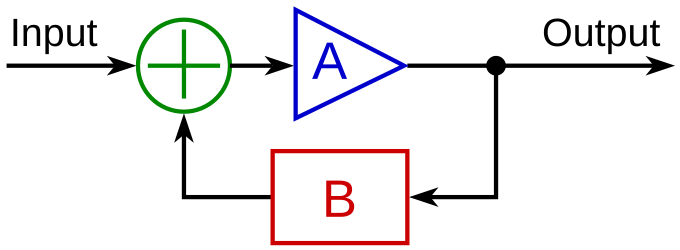
lastly, the diagram reminds me of the "black box" model of the political system/policy process as reflected in the works of structural-functionalists like Gabriel Almond. it basically shows that inputs from society (such as problems or complaints) are brought into the "black box" (the political authority such as the national government or the bureaucracy) where they get processed into outputs (solutions to the problem). if there are any glitches, there is a feedback mechanism. and the cycle of the policy process is described to basically repeat itself.
this "black box" model has been criticized for being too static and deterministic in its illustration of the process of policy-making. more importantly, it does not really shed light on the process itself, which takes place inside the black box. it is as if when the government receives demands from society to address a problem, a policy output or solution would be devised readily and automatically. but real-world policy-making is very far from how the model depicts it to be.
It was interesting to learn about the strengths and weaknesses of our own memo through group discussions and feedback mechanism. Ideas, structures and methods to effective memo writing became clearer when redundencies were identified and a better ideas were suggested by other groups. It facilitates a better classroom learning.
However, I feel that if Professors could also provide their valuable feedback to our memos, it will enable us further to build on and write better memo, while groups have also played their crucial role in providing valuable feedback.
The diagram is simple to be read and followed, but it depends on how individuals, groups, or government would take account of the feedback provided in the forum, day-to-day communication, etc. in improving the system.
In the midst of all the decision trees and isoquants, I just wanted to state that the ungraded memo was a useful though somewhat frustrating exercise. Let me illustrate: Our group's (Ministry of Environment) strategy in the memo was to appear as if we were stalling and not really pushing the climate change agenda.
However, in reality, we were gently building bridges between local and international NGO's, global green energy companies and our local businesses and our own capacity and knowledge base by funding think tank studies etc.
Our memo was aimed at our Prime Minister, asking him to support some soft and benign activities to "show" the world that MyCountry was doing something (though we were still not as developed as Canada and therefore didnot need to "do" anything). This would "look good" internationally, and reduce some of the pressure that was mounting on MyCountry. We were not committing anything, we said.
But in reality our strategy was to get the domestic and international NGOs to meet (therefore funding for the meeting) and put more pressure on the government, for the global green energy businesses to explore joint ventures with local businesses (another meeting), for thinktanks to do impact forecasts on MyCountry (not emission studies) etc. So if all of this worked out in the manner we envisaged, we would be called on by the Prime Minister some months later, to spearhead the work of responding to climate change in MyCountry.
If things didnt work out as we planned it, our Prime Minister would still be happy with us, because we were "doing" things on climate change, and we could tell the international community about this.
The memo could not capture all of this. And so the feedback that we should tighten the memo and not look as if we were just stalling etc. didnt really help us.
It reminds me that we had planned to have you all submit a short "secret" addendum with your memo, to explain your strategy, much as you have just done. I think it was mentioned in class at some point in passing but we didn't remember to spell it out in black and white, so the idea got forgotten by everyone, including Boyd and myself. It would have improved the process. Sorry about that.
Maybe it is not too late, even now.
SUGGESTION: IF YOUR GROUP FEELS THAT THE STRATEGY IN YOUR UNGRADED MEMO IS NOT OBVIOUS AND THAT OUR FEEDBACK MIGHT THEREFORE STRAY OFF TRACK, PLEASE FEEL FREE TO SEND US A SHORT NOTE ALONG THE LINES OF BHARAT'S EXPLANATION IN HIS COMMENT ABOVE. It could be brief.
Now would be a good time, since both Boyd and I are about to go through them in order to provide some feedback for you before you get started on the next one.

6 comments:
That looks suspiciously like the OODA loop!
A good paradigm for improving ourselves in any case.
Actually it is the diagram for any generic feedback loop.
the ungraded memo exercise was an interesting way of applying the concepts learned in class. playing the role of a specific actor was a good opportunity to situate oneself vis-a-vis other actors. writing the memo from that actor's perspective was also challenging because the message of the memo should reflect the position of the actor (which may or may not be the position of any or all of the group members).
however, i think it was a bit difficult to write the memo because we were left to assume many other things about the situation of MyCountry (other than those agreed in class).
it would have been interesting also if all the other groups gave their feedback to one group's memo, so that each group can also see how the other groups wrote their memo from their actor's point of view.
nonetheless, while a hypothetical case provides an avenue for thinking creatively and innovatively about the policy process, i hope we can also move on to real-life cases and understand the dynamics of the policy process in the real world.
i hope the professors can also give their own feedback on the ungraded memos we wrote. we might have missed a few important things during the feedback session.
lastly, the diagram reminds me of the "black box" model of the political system/policy process as reflected in the works of structural-functionalists like Gabriel Almond. it basically shows that inputs from society (such as problems or complaints) are brought into the "black box" (the political authority such as the national government or the bureaucracy) where they get processed into outputs (solutions to the problem). if there are any glitches, there is a feedback mechanism. and the cycle of the policy process is described to basically repeat itself.
this "black box" model has been criticized for being too static and deterministic in its illustration of the process of policy-making. more importantly, it does not really shed light on the process itself, which takes place inside the black box. it is as if when the government receives demands from society to address a problem, a policy output or solution would be devised readily and automatically. but real-world policy-making is very far from how the model depicts it to be.
It was interesting to learn about the strengths and weaknesses of our own memo through group discussions and feedback mechanism. Ideas, structures and methods to effective memo writing became clearer when redundencies were identified and a better ideas were suggested by other groups. It facilitates a better classroom learning.
However, I feel that if Professors could also provide their valuable feedback to our memos, it will enable us further to build on and write better memo, while groups have also played their crucial role in providing valuable feedback.
The diagram is simple to be read and followed, but it depends on how individuals, groups, or government would take account of the feedback provided in the forum, day-to-day communication, etc. in improving the system.
In the midst of all the decision trees and isoquants, I just wanted to state that the ungraded memo was a useful though somewhat frustrating exercise. Let me illustrate: Our group's (Ministry of Environment) strategy in the memo was to appear as if we were stalling and not really pushing the climate change agenda.
However, in reality, we were gently building bridges between local and international NGO's, global green energy companies and our local businesses and our own capacity and knowledge base by funding think tank studies etc.
Our memo was aimed at our Prime Minister, asking him to support some soft and benign activities to "show" the world that MyCountry was doing something (though we were still not as developed as Canada and therefore didnot need to "do" anything). This would "look good" internationally, and reduce some of the pressure that was mounting on MyCountry. We were not committing anything, we said.
But in reality our strategy was to get the domestic and international NGOs to meet (therefore funding for the meeting) and put more pressure on the government, for the global green energy businesses to explore joint ventures with local businesses (another meeting), for thinktanks to do impact forecasts on MyCountry (not emission studies) etc. So if all of this worked out in the manner we envisaged, we would be called on by the Prime Minister some months later, to spearhead the work of responding to climate change in MyCountry.
If things didnt work out as we planned it, our Prime Minister would still be happy with us, because we were "doing" things on climate change, and we could tell the international community about this.
The memo could not capture all of this. And so the feedback that we should tighten the memo and not look as if we were just stalling etc. didnt really help us.
So yes, useful but frustrating.
Thanks Bharath. That is useful.
It reminds me that we had planned to have you all submit a short "secret" addendum with your memo, to explain your strategy, much as you have just done. I think it was mentioned in class at some point in passing but we didn't remember to spell it out in black and white, so the idea got forgotten by everyone, including Boyd and myself. It would have improved the process. Sorry about that.
Maybe it is not too late, even now.
SUGGESTION: IF YOUR GROUP FEELS THAT THE STRATEGY IN YOUR UNGRADED MEMO IS NOT OBVIOUS AND THAT OUR FEEDBACK MIGHT THEREFORE STRAY OFF TRACK, PLEASE FEEL FREE TO SEND US A SHORT NOTE ALONG THE LINES OF BHARAT'S EXPLANATION IN HIS COMMENT ABOVE. It could be brief.
Now would be a good time, since both Boyd and I are about to go through them in order to provide some feedback for you before you get started on the next one.
Post a Comment